Plant Index: Seminum / Rarium
Search/Filter Results:
Category: Seminum | Sub-Category: Wildflowers
Scientific Name (Genus/Species): Abutilon theophrasti
Family: (Malvaceae)
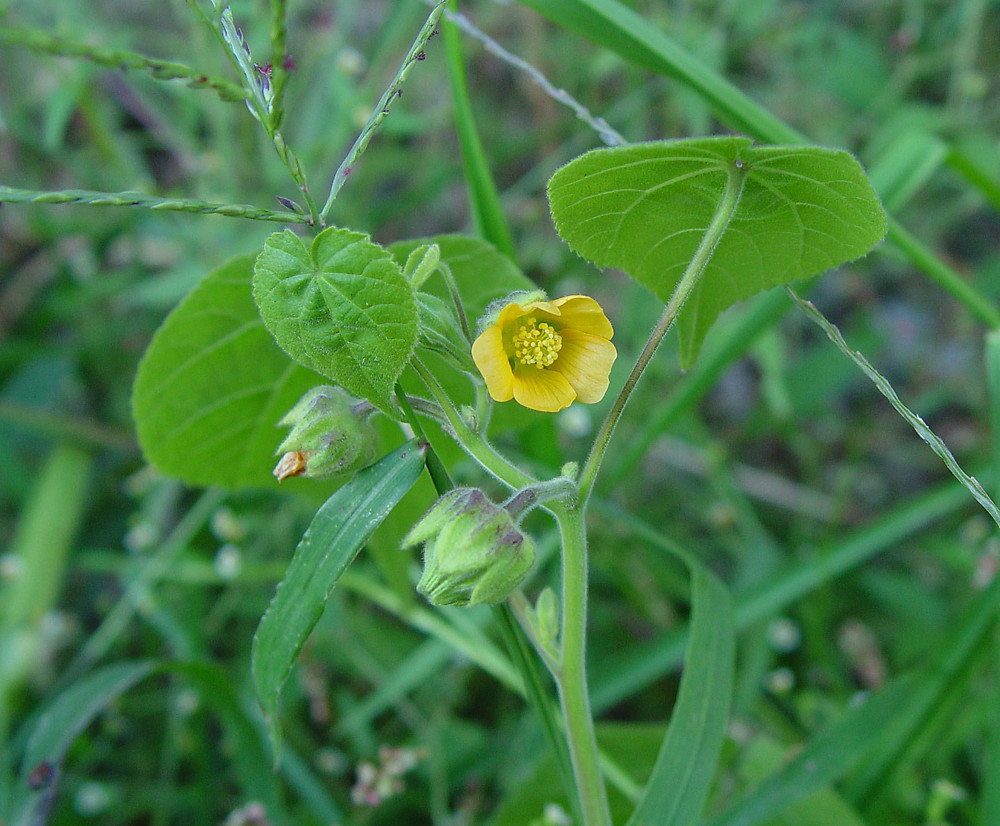
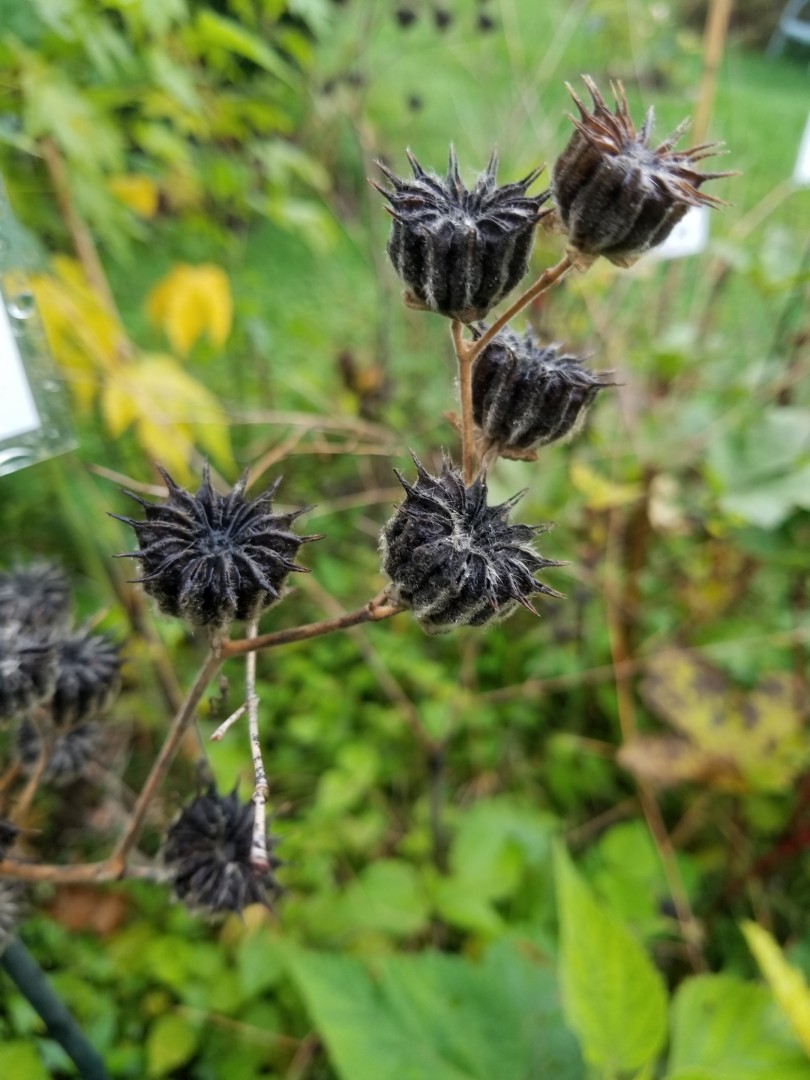
(A) to 3′. Velvet Leaf, China Jute. A Native of southern Asia whose specific epithet commemorates the ancient Greek botanist-philosopher, Theophrastus. Velvet Leaf has been grown in China since around 2000 BCE for its strong, jute-like fibre. The alternately arranged leaves are light green, cordate, pubescent and up to eight inches long and wide. A solitary flower about ¾-inch across emerges from the axils of the upper leaves. Each flower consists of five petals that are yellow to orange-yellow, five light green, pubescent sepals, and numerous stamens with golden yellow anthers that surround the pistil in a loose cluster. The flowers are followed by interesting fruit that is initially light green, but quickly turns brown or black with maturity. This fruit (schizocarp) is a circular cup-shaped disc of 9 to 15 carpels, each with a beak on the margin of the disc. Blooms July to August. Well-drained soil. Sun/partial shade. 3 & T3
Category: Seminum | Sub-Category: Perennials for Sun
Scientific Name (Genus/Species): Acanthus hungaricus
Family: Acanthaceae
(P) to 3′. Bear’s Breeches. Balkans. Free-flowering perennial with tall, upright spikes of smoky lavender-pink lipped flowers emerging from reddish purple, ovate bracts. The flowers appear to have a greenish wash. Forms a large, imposing clump of arching, deeply-lobed, spiny leaves. Flowers late summer with persistent architectural beauty. Well-drained soil. Sun. 3 & T1

This seed is either sold out or unavailable
Category: Seminum | Sub-Category: Wildflowers
Scientific Name (Genus/Species): Achillea filipendulina
Family: (Asteraceae)
(P) to 4′. Fern-leaf Yarrow. Native to the Caucasus, Iran, and Afghanistan. Deeply dissected, hairy, fern-like, aromatic (spicy) green leaves up to 10″ long are divided into many pairs of linear-lanceolate toothed segments and form an attractive basal clump of foliage. Tiny, long-lasting, bright golden flowers (yellow rays and yellow discs) appear in dense flattened plate-like compound corymbs up to 4″ across on stiff, erect stems rising above the foliage. Blooms throughout the summer. The genus name Achillea refers to Achilles, hero of the Trojan Wars in Greek mythology, who used the plant medicinally to stop bleeding and to heal the wounds of his soldiers. Great flower both fresh-cut and dried. Average, well-drained soil. Sun. 4 & T1

Category: Seminum | Sub-Category: Woodland
Scientific Name (Genus/Species): Actaea alba (syn. A. pachypoda)
Family: (Ranunculaceae)
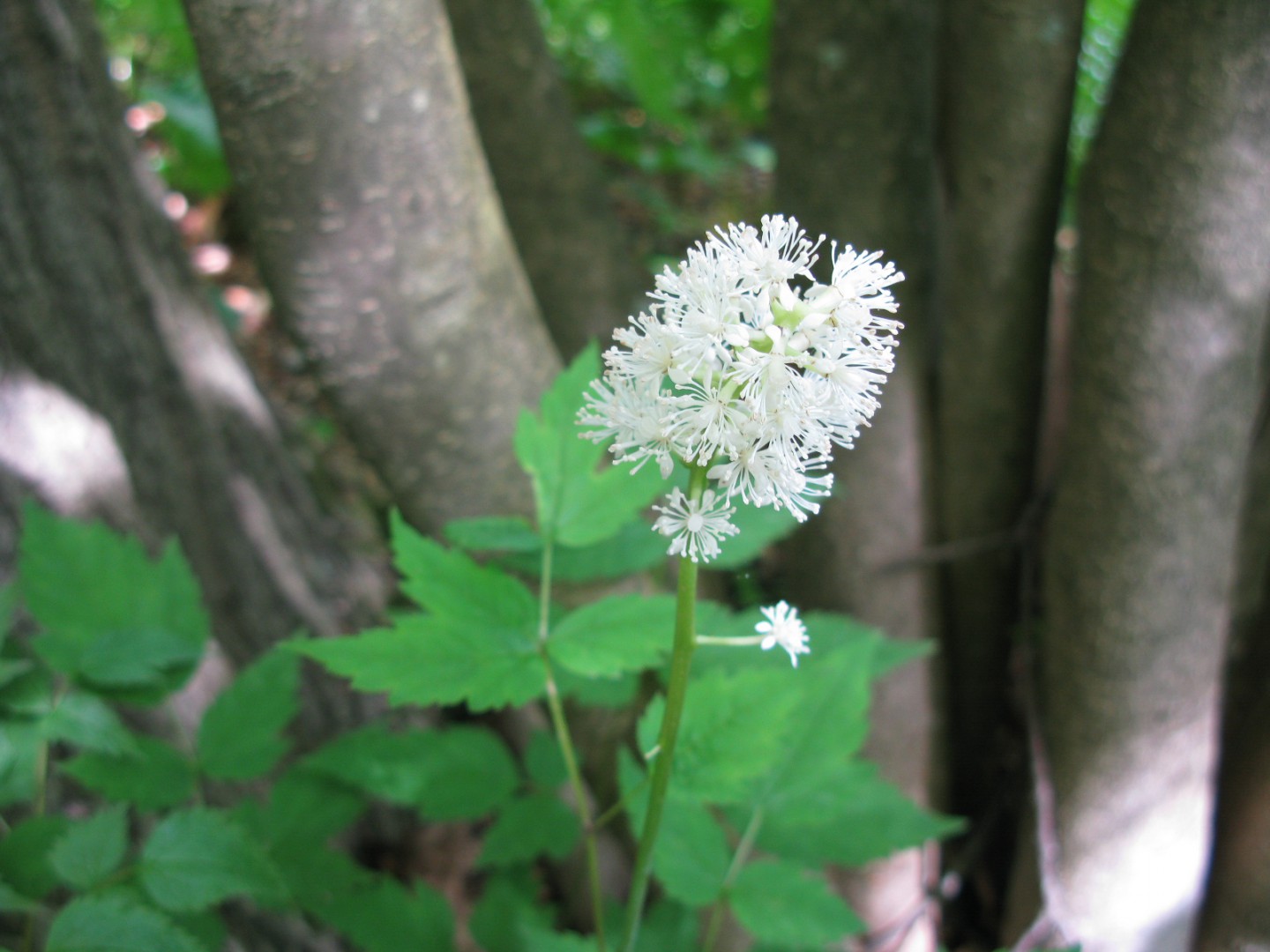
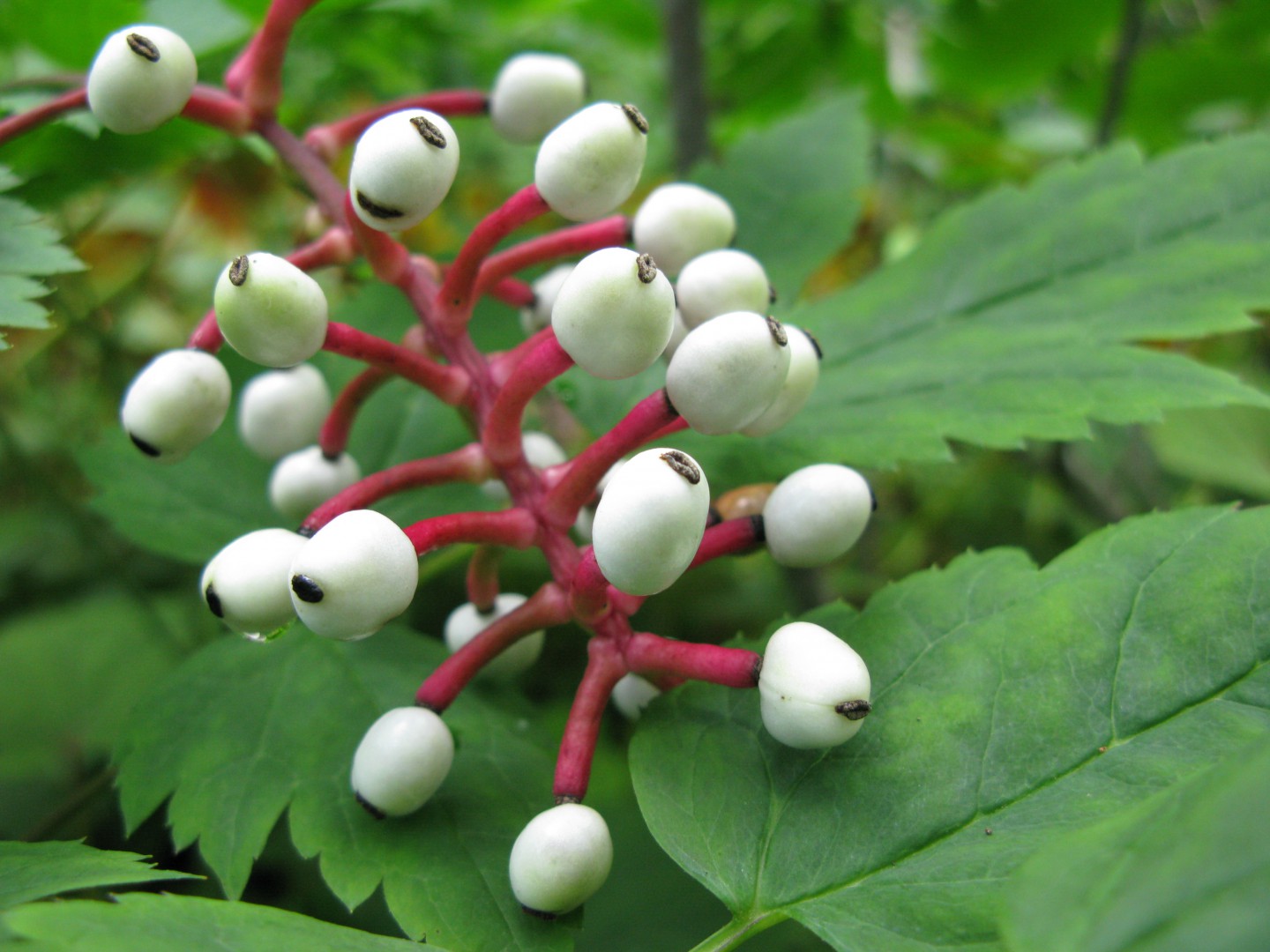
(P) to 2′. Doll’s Eyes. This American native has a long season of interest from flower to fruit. Racemes of fat, white, bottlebrush flowers bloom early and are followed by china-white berries with black eyes. Sturdy, red-flushed stems and the attractive toothed leaves add interest, too. A “must” for the woodland. Berries are poisonous! Partial shade. 3 & 7 for 3 months, then T2
Category: Seminum | Sub-Category: Woodland
Scientific Name (Genus/Species): Actaea japonica (syn. Cimicifuga japonica)
Family: (Ranunculaceae)
(P) to 3′. Bugbane, Rattletop, Snakeroot. Numerous creamy, tufted, sessile flowers bloom on spikes from August through October. Shiny lobed and toothed leaves are very attractive in the woodland. Self-sows nicely. Partial shade. 3 & 6A
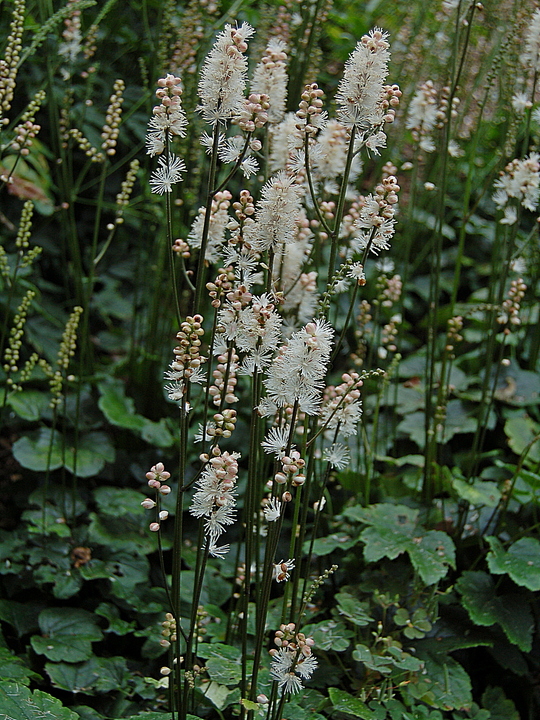

Category: Seminum | Sub-Category: Woodland
Scientific Name (Genus/Species): Actaea racemosa (syn. Cimicifuga racemosa)
Family: (Ranunculaceae)
(P) to 6′. Early Snakeroot, Black Cohosh. An eastern North American native with branched wands of white, bottlebrush flowers. Blooms prolifically in June. Light green, divided foliage remains at three feet tall. Partial shade. 3 & 6A

Category: Seminum | Sub-Category: Woodland
Scientific Name (Genus/Species): Actaea simplex 'Brunette' (syn. Cimicifuga ramosa 'Brunette')
Family: (Ranunculaceae)
(P) to 6′. One of the darkest leaved Cimicifugas. Stems are a rich purplish brown with pure white, upright, fragrant flower spikes in September. Not all seedlings will be as dark as ‘Brunette’, but definitely worth a try. Partial shade. 3 & 6A

Category: Seminum | Sub-Category: Alpine and Rock Garden
Scientific Name (Genus/Species): Aethionema schistosum
Family: (Brassicaceae)
(P) to 6″. Turkish Stonecress. Turkey and Lebanon. Erect, woody stems with narrow, blue-green foliage produce rounded heads of rosy lilac, four-petalled flowers in early summer. Interesting multi-coloured, flat seed capsules follow and persist. A welcome self-sower. Sun. 3 & T1

Category: Seminum | Sub-Category: Perennials for Sun
Scientific Name (Genus/Species): Agastache foeniculum
Family: (Lamiaceae)
Short-lived perennial to 3-½’. Anise Hyssop. A North American native with aromatic, anise-scented foliage. Lavender-blue flowers appear in many-flowered verticillasters which are densely packed into showy, cylindrical, terminal flower spikes up to 6 inches long. Mid-summer bloomer is attractive to all pollinators. Self-sows. Sun/partial shade. 4 & T2
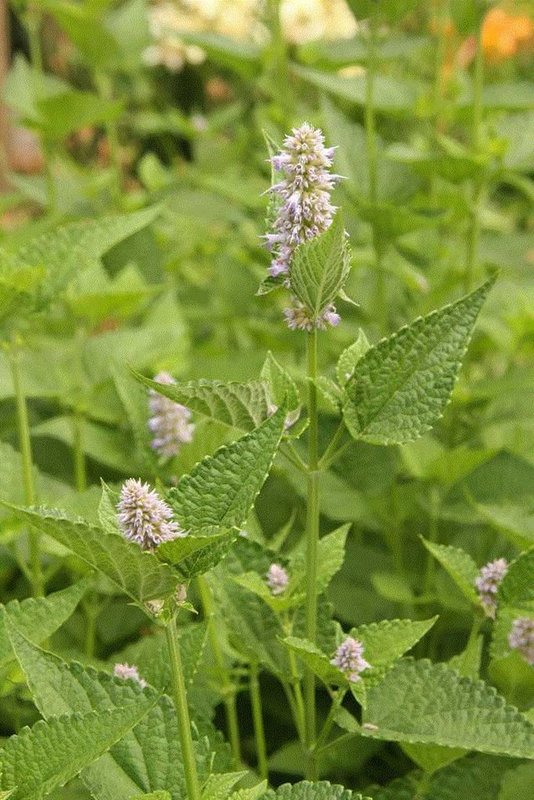
Category: Seminum | Sub-Category: Perennials for Sun
Scientific Name (Genus/Species): Agastache foeniculum 'Alba'
Family: Lamiaceae
Short-lived perennial to 3.5′. White Anise Hyssop. A white cultivar of the above. Sun/partial shade. 4 & T2

Category: Seminum | Sub-Category: Wildflowers
Scientific Name (Genus/Species): Agastache nepetoides
Family: (Lamiaceae)
(P) to 5′. Yellow Giant Hyssop. South Canada to Southeast US. Whorls of tiny, greenish-yellow flowers closely packed into five-inch terminal spikes appear on stiff, square stems. Toothed, arrowhead-shaped leaves are up to five inches long. Whilst the leaves lack the strong smell like other species in the mint family, the bitterness of its leaves make it deer resistant. Tolerant of summer heat and humidity, this late summer bloomer is a favourite of bees, butterflies, and other pollinators. Grows best in rich, open woodlands. Sun/partial shade. 4 & T2
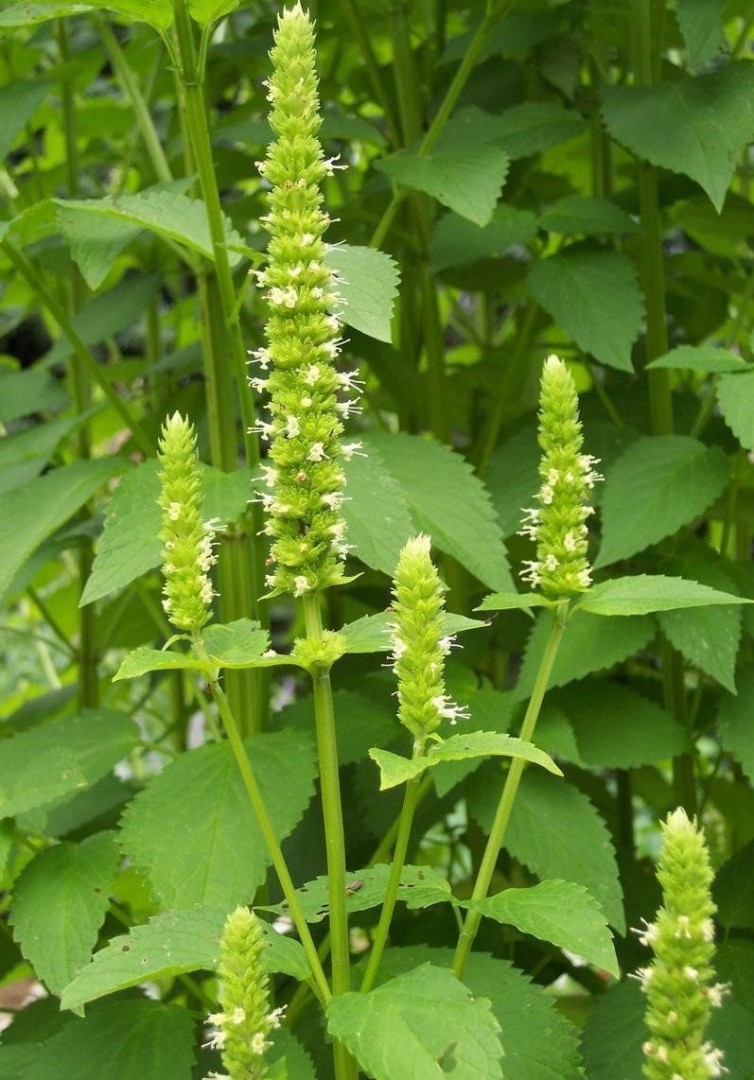
Category: Seminum | Sub-Category: Wildflowers
Scientific Name (Genus/Species): Agastache scrophulariifolia
Family: (Lamiaceae)
(P) to 5′. Purple Giant Hyssop. Native to eastern North America. Many terminal spikes of small, violet to rosy pink flowers on tall, branching stems. The coarsely toothed, lanceolate leaves are aromatic. Blooms July to September. Well-drained soil. Sun/partial shade. 4 & T2


Category: Seminum | Sub-Category: Annuals for Sun
Scientific Name (Genus/Species): Ageratum houstonianum ‘Dondo White’
Family: (Asteraceae)
(A) to 2½’. White Floss Flower. Mexico and Central America. This sturdy, taller Floss Flower sports rounded, loose clusters of many heads of white, five-lobed disc florets that float above the foliage. En masse, the flowers create a soft fuzzy appearance and are attractive to butterflies, bees and other beneficials. A. ‘Dondo White’ is a cultivated selection and therefore may result in some reversions to the straight species, which is blue, but we have found that most come through as white. The plants will self-sow, however for earlier blooms you may wish to start from seed indoors. We find that surface sowing in situ in our Flower Garden’s White Bed provides us with an excellent mid-to-late summer filler. Full to part sun. 4 & T3

Category: Seminum | Sub-Category: Wildflowers
Scientific Name (Genus/Species): Agrimonia gryposepala
Family: (Rosaceae)
(P) to 5′. Tall Agrimony. North America. Slender, erect racemes of bright yellow, five-petalled blooms open from the bottom upwards, atop upright, softly hairy plants bearing paired, coarsely toothed, chartreuse green leaves. This native of open woods and thickets makes a surprisingly attractive garden plant. A patch planted outside our greenhouses was a joy all summer. Well-drained soil. Partial shade/sun. 3 & T2


Category: Seminum | Sub-Category: Shrubs and Vines
Scientific Name (Genus/Species): Akebia quinata
Family: (Lardizabalaceae)
Hardy vine to 20′. Chocolate Vine. China, Korea and Japan. Fast growing, deciduous, and ideal for covering trellises, pergolas or other structures. The compound leaves are tinged purplish when new and mature to a handsome blue-green. Rather showy, pendant racemes of vanilla-scented flowers with wide, purple to dark chocolate maroon sepals. The intriguing fruits are like fat, purple sausages, opening to reveal a white, pulpy interior with black seeds. Well-drained soil. Sun/partial shade. 3 & T1


 Browse the index >>