Category: Rarium | Sub-Category: Alpine and Rock Garden
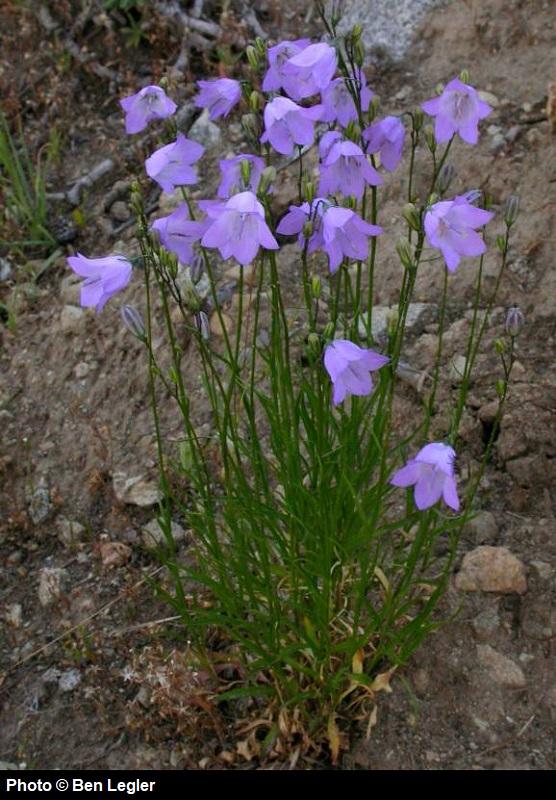
Scientific Name (Genus/Species): Campanula rotundifolia
Family: (Campanulaceae)
(P) to 18″. Harebell. A charming native wildflower throughout much of the northern hemisphere. Graceful, branched stems with narrow, thread-like leaves arise from the basal rosette. Many small, bright blue, pendulous, bell-shaped flowers abound from late spring to early summer. Sun. 4 & T2
Category: Rarium | Sub-Category: Woodland
Scientific Name (Genus/Species): Tricyrtis macropoda
Family: (Liliaceae)
(P) to 3′. Japanese Toad Lily, Yama-hototogisu. China, Japan. Shining, deeply veined, dark, heart-shaped leaves on erect, arching stems that branch into loose terminal and axillary clusters of upward pointing, orchid-like buds and flowers. Flowers are a more delicate pale-pink or white, featuring small, reddish-purple spots with stamens and stigma that protrude far above the six splayed petals. August to September. Moist soil. Sun/partial shade. 3 & 6

Category: Rarium | Sub-Category: Annuals for Sun
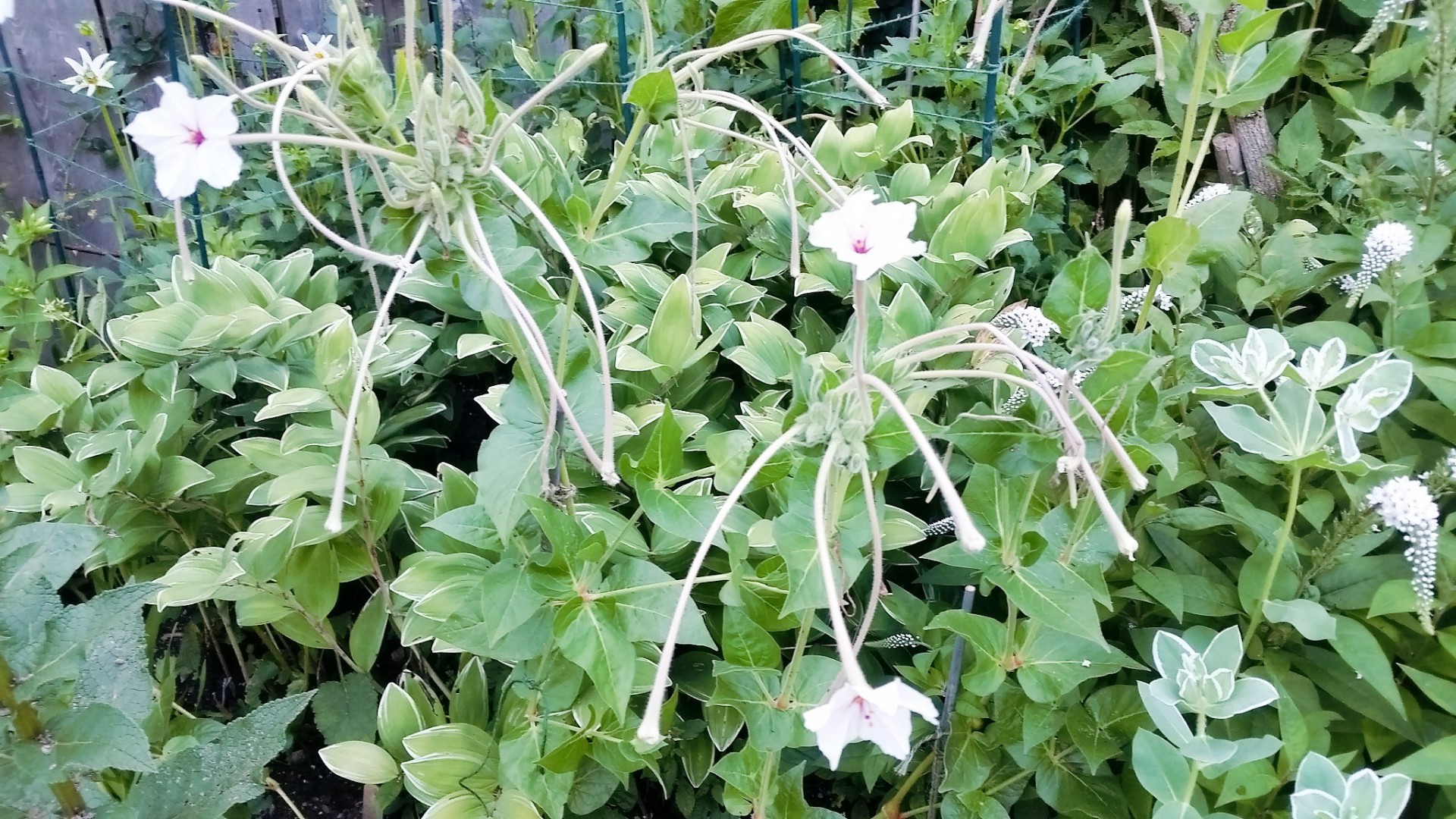
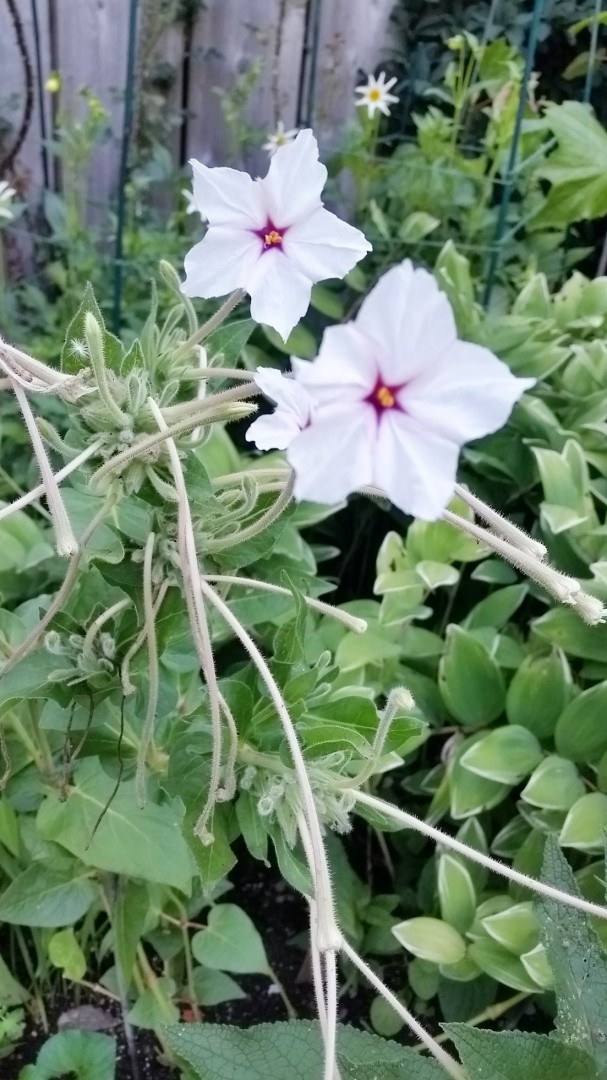
Scientific Name (Genus/Species): Mirabilis longiflora
Family: (Nyctaginaceae)
(TP) to 3.5′. Sweet Four o’Clock, Angel’s Trumpets. Texas, Arizona and Mexico. Extraordinary, six-inch long, very slender, white trumpets are borne in great profusion on mounds of sticky, bright apple-green foliage. The flowers release a sweet orange-blossom fragrance in the evening. These unusually long flowers need a special pollinator with an extended proboscis, such as the Hawkmoth. The Hawkmoth is similar to the Hummingbird in that they hover in place and unfurl their proboscis and drink the sucrose-rich nectar they require, thus creating a mutually beneficial relationship. Lift and store the swollen tubers over winter as you would a Dahlia. Blooms midsummer to fall. Sun/partial shade. 4 & T3
Category: Rarium | Sub-Category: Annuals for Sun
Scientific Name (Genus/Species): Dianthus barbatus – Darkest of All
Family: (Caryophyllaceae)
(B/A) to 18″. Sweet William. South Europe. Long-lasting, dark maroon to almost black, clove-scented flowers bloom in flat-topped cymes. Attractive dark foliage too. Sun. 4 & T2

Category: Rarium | Sub-Category: Alpine and Rock Garden
Scientific Name (Genus/Species): Corydalis paczoskii
Family: (Papaveraceae)
(P) to 4″. Ukraine to Central Asia. Rare species with short racemes of spurred, tubular purple flowers over small tufts of delicate, finely dissected green leaves. Spring blooming. Sun/part shade. 4 & T1

Category: Rarium | Sub-Category: Pots/Garden (overwinter indoors)
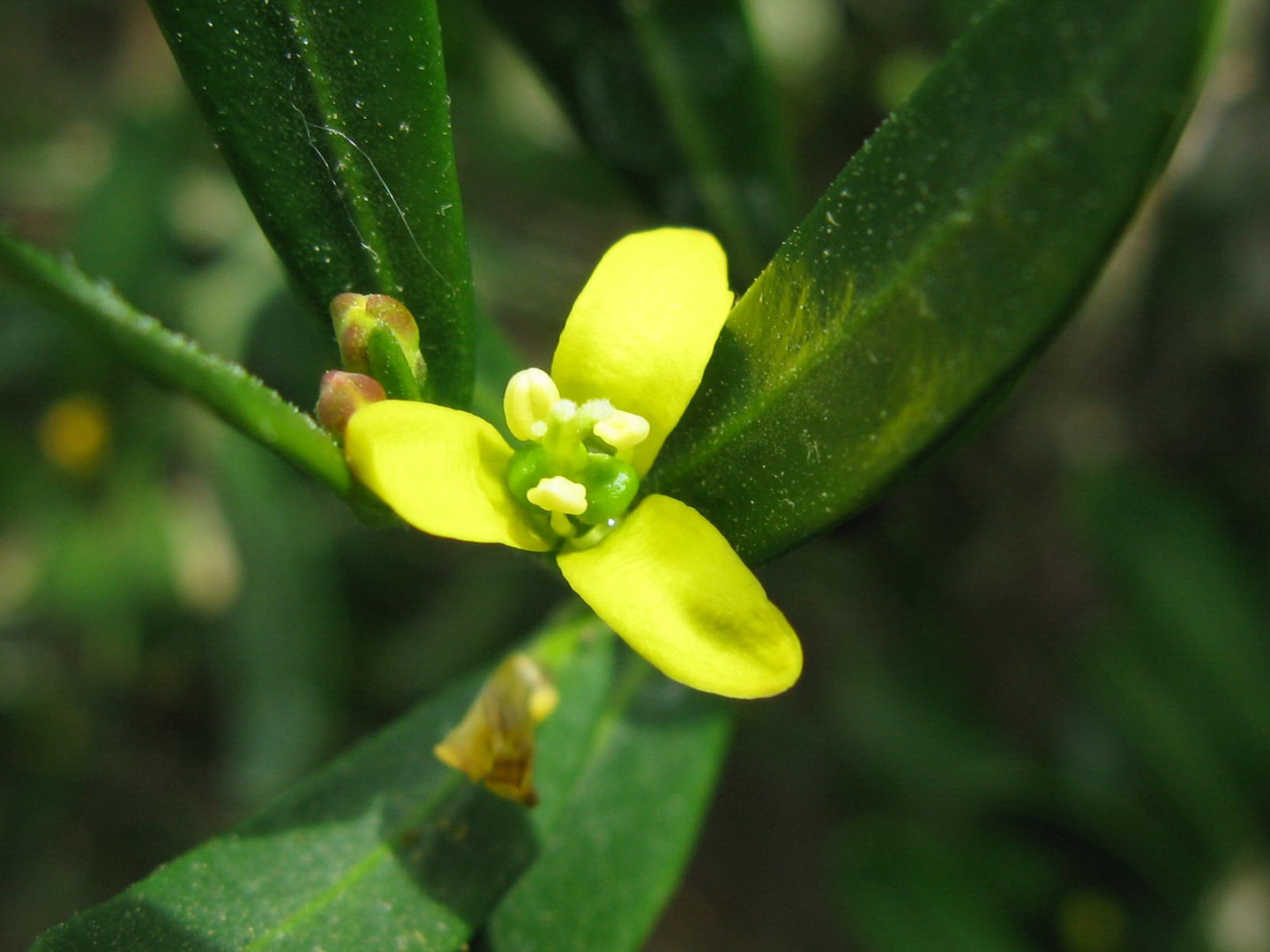
Scientific Name (Genus/Species): Cneorum tricoccon
Family: (Rutaceae)
Tender shrub to 2′. Spurge Olive. This attractive and rare evergreen shrub with glossy, dark green leaves blooms in early summer. Clusters of deep, four-petalled, yellow flowers are followed by red fruits that age to black. Sun. 3 & T2
Category: Rarium | Sub-Category: Perennials for Sun
Scientific Name (Genus/Species): Teucrium scorodonia
Family: (Lamiaceae)
(P) 18″. Wood Germander. A tough, shrubby perennial native to dry, open, pine woods, scrub, heaths and sandy acidic soils throughout Western Europe. Aromatic, notched and puckered, sage-like, wrinkled green leaves adorn dense clumps of stiff, branching, woody stems. Masses of tiny, greenish yellow lipped blooms cover, short, loose spikes in mid to late summer. Dry, lime free soil. Sun. 3 & T2

Category: Rarium | Sub-Category: Perennials for Sun
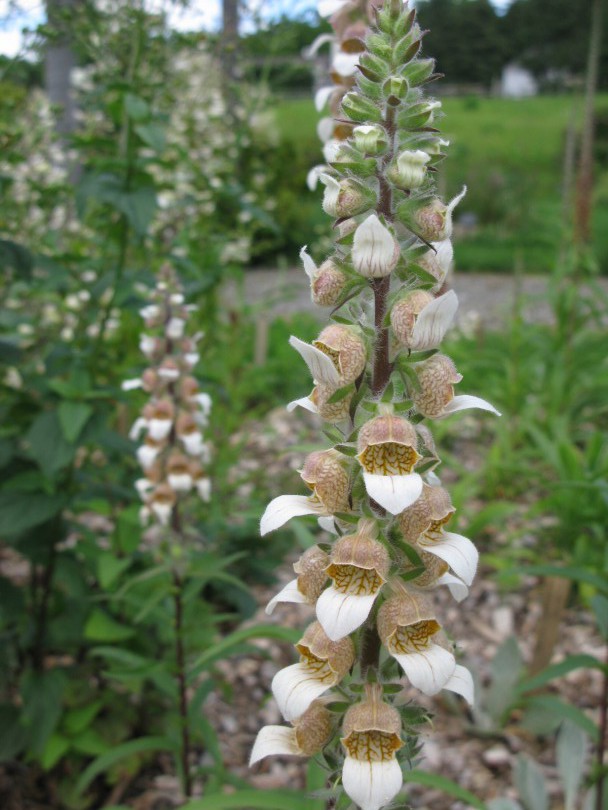
Scientific Name (Genus/Species): Digitalis lanata (syn. Digitalis lamarckii)
Family: (Plantaginaceae)
(P) to 3′. Native of Turkey. Wonderful pubescent spikes of quietly dramatic, hairy, pale beige, helmet-shaped flowers with maroon netting inside, tinged with mustard. A large, exaggerated, white lower lip adds to the drama. Partial shade. 4 & T2
Category: Rarium | Sub-Category: Perennials for Sun
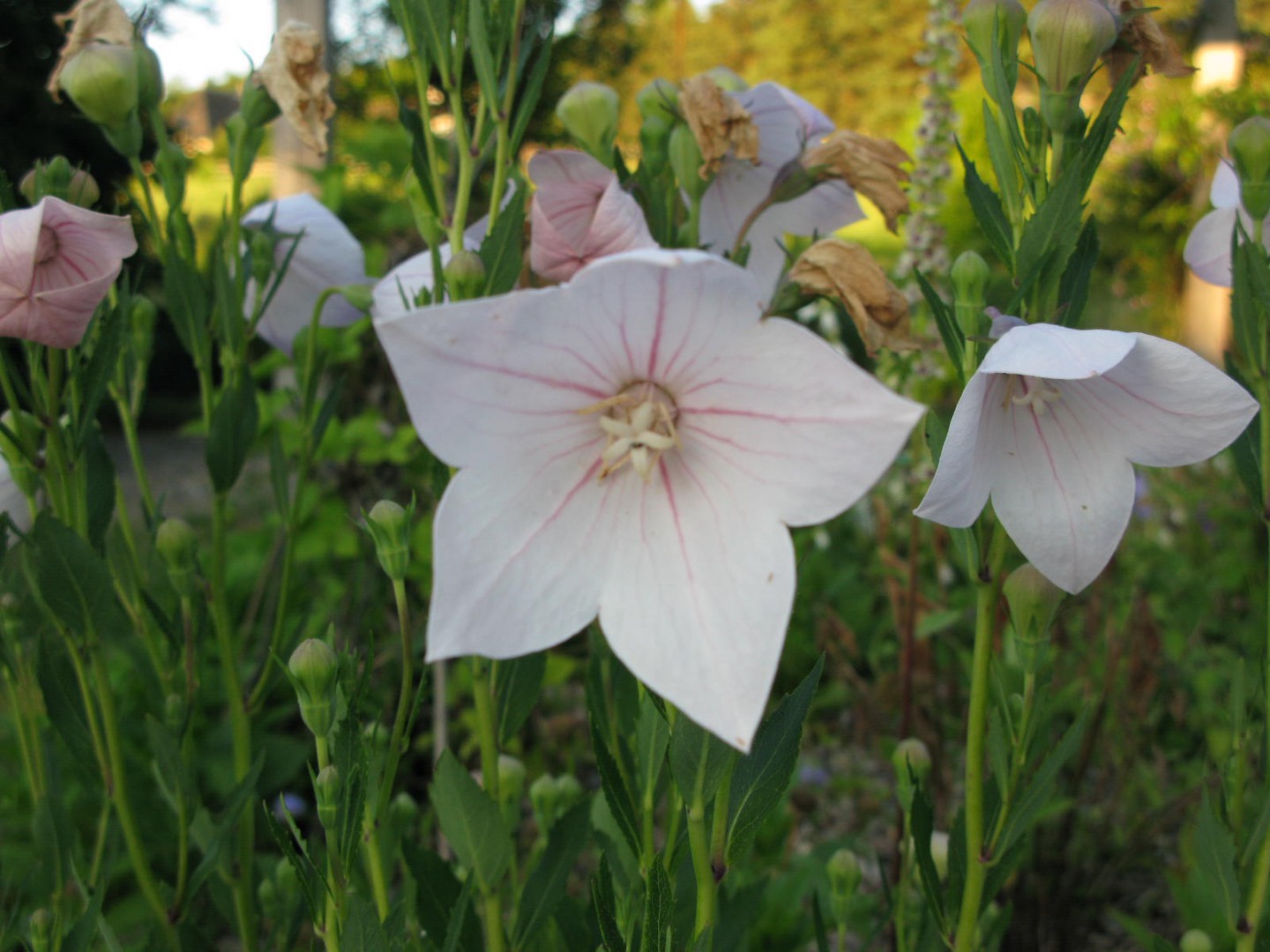
Scientific Name (Genus/Species): Platycodon grandiflorus 'Perlmutterschale'
Family: (Campanulaceae)
(P) to 3′. Mother of Pearl Balloon Flower. A lovely, delicate pale pink version of the above with spidery, dark pink veins. Blooms from mid-summer and into the autumn when flowers are dead-headed. Sun. 4 & T2
Category: Rarium | Sub-Category: Woodland
Scientific Name (Genus/Species): Glaucidium palmatum var. leucanthemum
Family: (Ranunculaceae)
(P) to 2′. A lovely white form of the Japanese Wood Poppy. Large, heavily-veined and crinkled maple-like leaves create a perfect backdrop for Poppy-like flowers comprised of four, snow white, petaloid sepals that surround a large, showy central boss of numerous bright yellow stamens. This rare woodland aristocrat blooms in May and the show continues with interesting fruits of substantial, upright, two fused follicles which persist until fall. Moist soil. Partial shade. 3 & 7 & Δ

 Browse the index >>