Category: Seminum | Sub-Category: Annuals for Sun
Scientific Name (Genus/Species): Nigella damascena 'Miss Jekyll Blue'
Family: (Ranunculaceae)
(A) to 18″. Love-in-a-Mist. South Europe. Soft, many-petalled, sky blue flowers are surrounded by curved, feathery bracts. Upright stems covered with delicate, fern-like foliage make the blossoms appear to be floating on a misty green bed. Fawn-coloured, inflated, papery seedheads are attractive when dried. Sun. 3 & T2

Category: Seminum | Sub-Category: Annuals for Sun
Scientific Name (Genus/Species): Trachelium caeruleum
Family: (Campanulaceae)
(A or TP) to 3′. Blue Throatwort. Mediterranean. Large, umbellate clusters on upright stems bear many small, five-petalled flowers dotted with a white exserted style that looks like a tiny white pin. The flowers are a vibrant violet and lightly scented. Attractive dark foliage is toothed with purple veins. A long bloomer that makes a great cut flower. Sun with afternoon shade. Well-drained soil. 4 & T1

Category: Seminum | Sub-Category: Woodland
Scientific Name (Genus/Species): Cardamine heptaphylla
Family: (Brassicaceae)
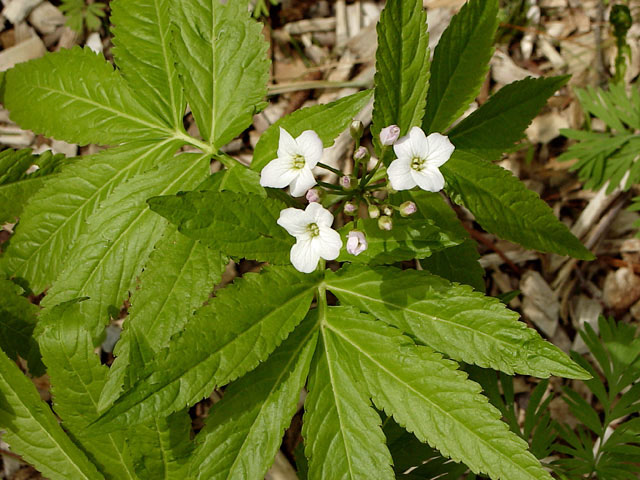
(P) to 15″. Seven-leaved Toothwort. Central and Western Europe. This woodland charmer is characterized by the smooth, erect, unbranched stem with few but large ovate-lanceolate and irregularly toothed leaves. The stem is topped with an inflorescence composed by a cluster of four cup-shaped, broad flowers carried by a long pedicel. Flowers may be white, pink, or purplish with petals that are somewhat wrinkled. Blooms from April to July. Partial shade. Prefer moist, humus-rich soil. 3 & T1
Category: Seminum | Sub-Category: Alpine and Rock Garden
Scientific Name (Genus/Species): Schivereckia doefleri (syn. Draba doerfleri)
Family: (Brassicaceae)
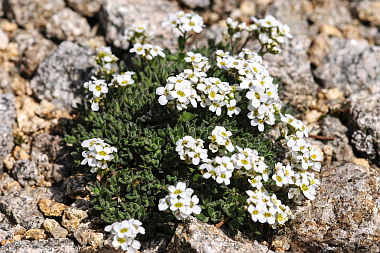
(P) to 6”. Eastern Europe. A tough and attractive dwarf cushion with grey-green loose rosettes of oblanceolate, slightly toothed leaves. Four-petalled white flowers in terminal racemes of up to fifteen in late spring. Long-lasting, buff-coloured seedheads follow. Sun. 3 & T1
Category: Seminum | Sub-Category: Bulbs
Scientific Name (Genus/Species): Allium moly
Family: (Alliaceae)
Hardy bulb to 12″. Golden Garlic. Southern and southwestern Europe. Star-shaped, 1/2” diameter, bright yellow flowers appear in loose umbels atop leafless stalks in late spring above with flat, tulip-like, blue-green, basal leaves which appear in 2’s. Sun. 3 & 6

Category: Seminum | Sub-Category: Perennials for Sun
Scientific Name (Genus/Species): Lychnis coronaria
Family: (Caryophyllaceae)
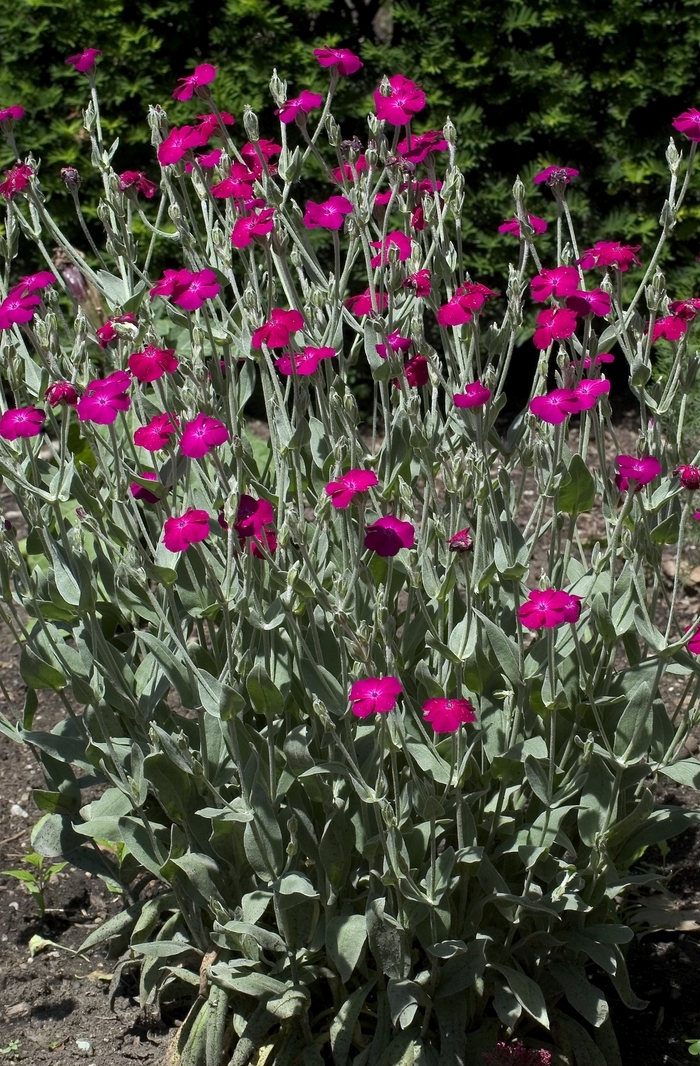
(P) to 3′. Rose Campion. Asia, Europe. A cottage garden classic. Tall grey stems with vivid, five-petalled, rose-magenta blooms are borne over clumps of ovate, densely woolly, silver-grey, flannelly leaves. Blooms June and July. Sun/partial shade. Prefers moist soil but will tolerate poor soils with some dryness. 4 & T2
Category: Seminum | Sub-Category: Wildflowers
Scientific Name (Genus/Species): Eupatorium hyssopifolium
Family: (Asteraceae)
(P) to 3′. Hyssop-leaf Thoroughwort. A plant of sandy soils and coastal areas from New England to Florida. Large, flat-topped inflorescences of white flowers up to one foot across. Fine textured foliage of narrow, whorled, grey-green leaves. Easy and a good late summer bloomer. Well-drained soil. Sun. 4 & T2

Category: Seminum | Sub-Category: Ornamental Grasses
Scientific Name (Genus/Species): Deschampsia cespitosa
Family: (Poaceae)
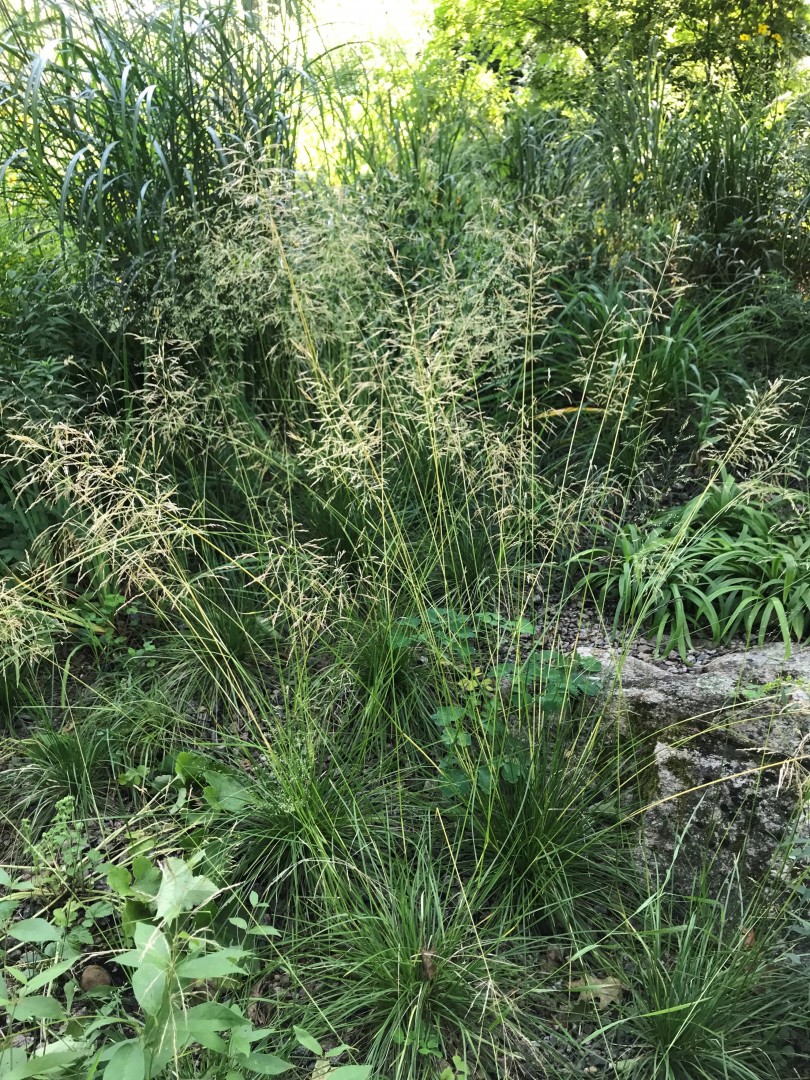
(P) to 3′. Tufted Hair Grass. North America. This semi-evergreen grass forms a dense clump of narrow, dark green leaves up to 18 inches long. In early summer, finely textured, arching flower stalks rise to 3 feet. Spikelets (flower clusters) are single at the tips of slender branchlets with hair-like awns and are greenish-silver to purple-tinged. As the season progresses the spikelets bleach to tawny and remain attractive, persisting well into winter. Bonus: Larval food plant for several butterflies in North America including the Umber Skipper. Sun/partial shade. 4 & T1
Category: Seminum | Sub-Category: Annuals for Sun
Scientific Name (Genus/Species): Echium vulgare
Family: (Boraginaceae)
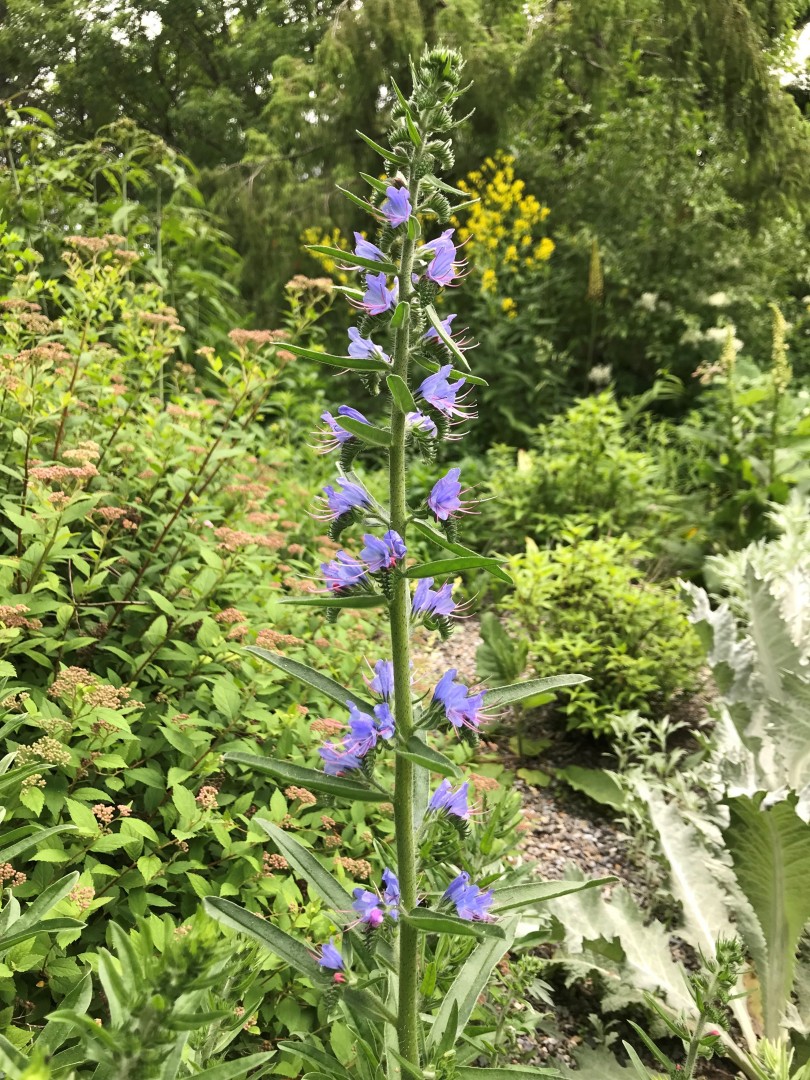
(B) to 3-½’. Viper’s Bugloss. Europe. Rosettes of slender, bristly foliage from which arise many stout flowering spikes with funnel-shaped flowers along their length. The buds start off pink, then the five-petalled flowers turn the most exquisite shades of intense blue to violet with five protruding red stamens. As the flowers fade, they become tinged with crimson. Viper’s Bugloss is one of the best plants to attract bees to your garden by producing nectar throughout the day unlike most plants which only produce nectar for a short period of time. Sun. 3 & T1

Category: Seminum | Sub-Category: Wildflowers
Scientific Name (Genus/Species): Oenothera elata subsp. hirsutissima
Family: (Onagraceae)
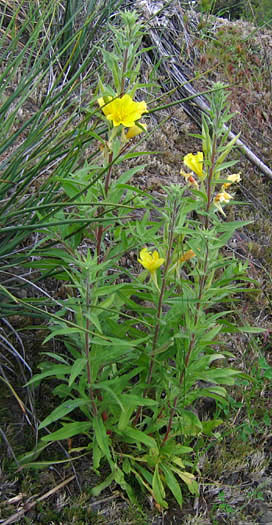
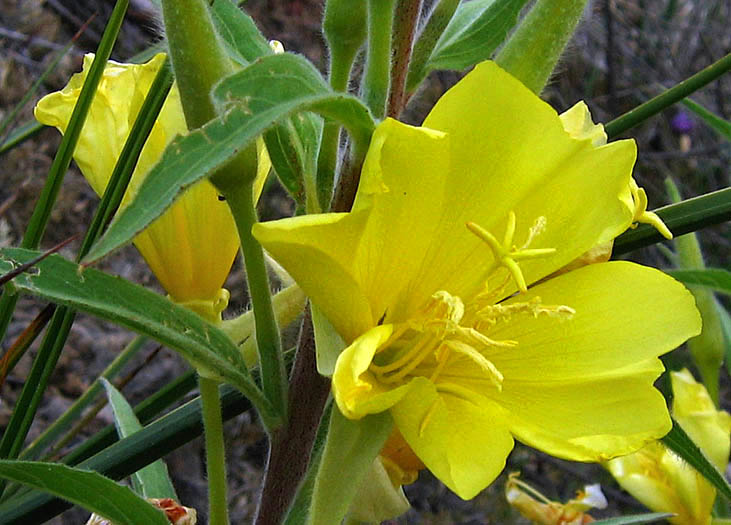
(P) to 4′. Hairy Evening Primrose. Western North America. From a basal rosette of leaves, reddish flowering stalks arch up and have grey-green, lance-like, hairy leaves with white veins. The unbranched inflorescence bear flowers that open from the bottom up. The beautiful two-to four-inch-wide fragrant, yellow flowers open about an hour before sunset and wither the next morning. Each flower has four large, heart-shaped petals, four smaller sepals that appear fused in pairs, and a prominent X-shaped stigma that extends out beyond the petals and eight stamens. Pollinated particularly by Hawk or Sphinx Moths during the night. Sun. 3 & T2
 Browse the index >>