Category: Seminum | Sub-Category: Wildflowers
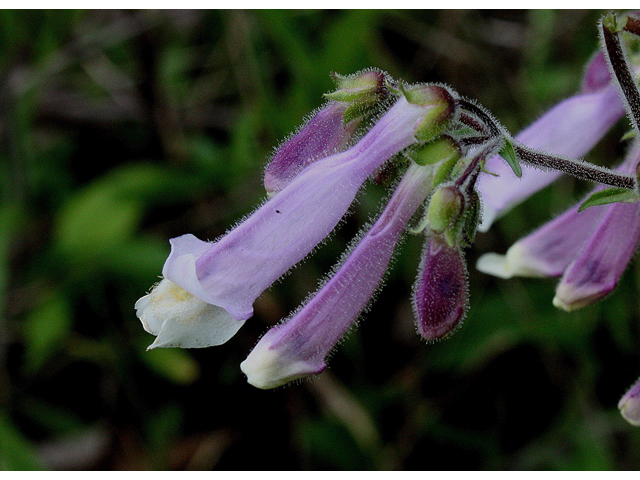
Scientific Name (Genus/Species): Penstemon hirsutus
Family: (Plantaginaceae)
(P) to 2′. Hairy Beard-Tongue. A very hardy Penstemon that is native to eastern North America. Lovely, dusky, pale purple flowers with white lobes add a subtle presence to the spring garden. Leaves are lanceolate and acute. Both leaves and stems are covered by very fine hairs. Sun/partial shade. 3 & 6 & T1
Category: Seminum | Sub-Category: Annuals for Sun
Scientific Name (Genus/Species): Cerinthe major 'Purpurascens'
Family: (Boraginaceae)
(A) to 2′. Honeywort. Mediterranean. Fleshy, blue-green leaves with white mottling, spiral up the stem, gradually turning to purple. Colourful bracts surround clusters of small, rich purple-blue, tubular, nodding flowers with cream interiors. Simply lovely. Sun. 3 & T1

Category: Seminum | Sub-Category: Perennials for Sun
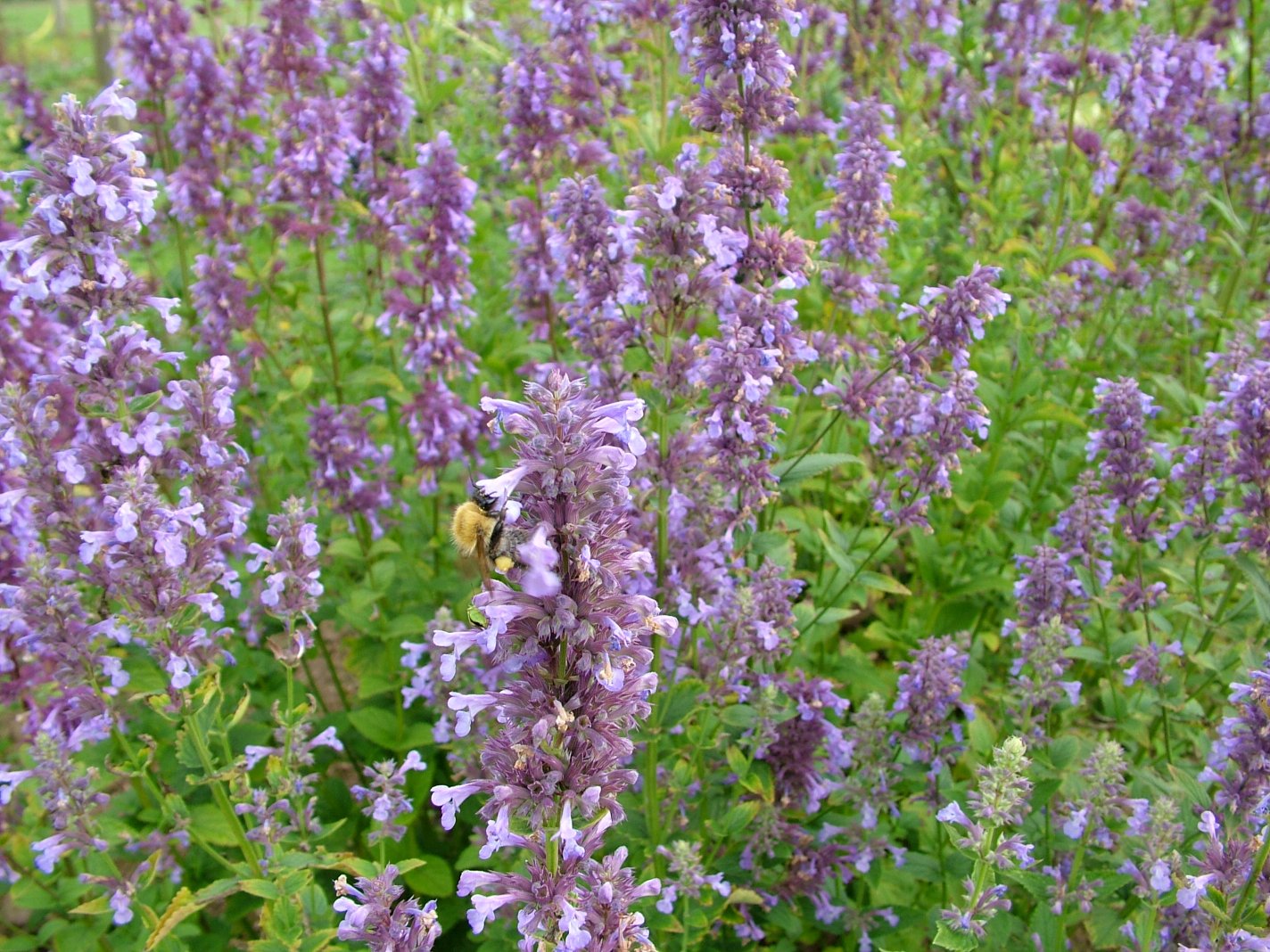
Scientific Name (Genus/Species): Nepeta parnassica
Family: (Lamiaceae)
(P) to 5′. Tall Greek Catmint. Albania and Greece. Truly the biggest and most impressive Catmint we have ever seen. Although native to the dry, rocky meadows of the Balkan Peninsula it seems to luxuriate and thrive in our fertile garden soil. The strong, upright stems bear fragrant, greyish green foliage and produce dense whorls of rich lavender-blue flowers in crowded, elongated spikes. This is a “sturdy item,” that does not need to be cut back halfway through the season. Blooms mid-summer onwards and will add stature, colour, and fragrance to the late summer garden. Sun, well-drained soil. 4 & T2
Category: Seminum | Sub-Category: Wildflowers
Scientific Name (Genus/Species): Helenium autumnale
Family: (Asteraceae)
(P) to 5′. Sneezeweed. Eastern North America. A plant of swamps and wet meadows. The branching sprays of warm, golden yellow daisies have prominent yellow centres and distinctive, reflexed, notched petals. The lance-shaped leaves are decurrent, extending down the stiff, branched stems, giving them a noticeable “winged” appearance. The dried leaves were once used as snuff, hence the name. Blooms late August through September. Prefers moist or wet soil. Sun. 3 & T2

Category: Seminum | Sub-Category: Pots/Garden (overwinter indoors)
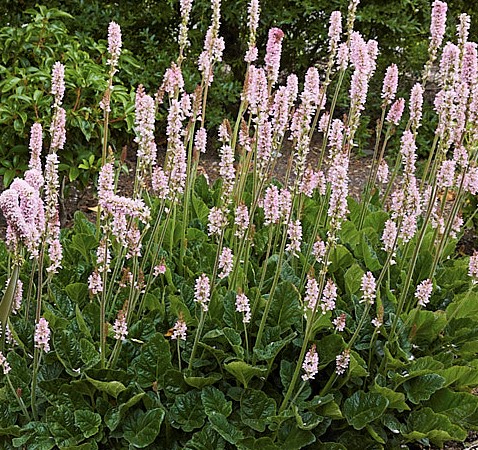
Scientific Name (Genus/Species): Francoa ramosa
Family: (Melianthaceae)
(TP) to 3′. Bridal Wreath. A native plant of Chile that Miss Jekyll loved to grow in pots to enhance her summer display on the terrace. Many slender spikes of sessile flowers rise above scalloped, deep green basal foliage. The four petalled flowers are of the palest pink flushed white. Early summer bloomer. Follow Miss Jekyll’s lead, grow it in a pot, display outdoors and overwinter in a cool greenhouse. Moist, well-drained soil. Sun/partial shade. 4 & T1
Category: Seminum | Sub-Category: Wildflowers
Scientific Name (Genus/Species): Centaurea phrygia
Family: Asteraceae
(P) to 4′. Wig Knapweed. Europe – meadows, field margins and open woods. A sparsely hairy to roughly textured perennial that combines well with informal plantings of ornamental grasses. The purplish lilac flowers have long, obliquely funnel-shaped, deeply divided, upward sweeping, outer ray florets; the central disc florets are smaller and tubular. Leaves are alternate, short-stalked and broadly lanceolate, with a regularly toothed margin. Sun. 3 & T2

This seed is either sold out or unavailable
Category: Seminum | Sub-Category: Perennials for Sun
Scientific Name (Genus/Species): Acanthus hungaricus
Family: Acanthaceae
(P) to 3′. Bear’s Breeches. Balkans. Free-flowering perennial with tall, upright spikes of smoky lavender-pink lipped flowers emerging from reddish purple, ovate bracts. The flowers appear to have a greenish wash. Forms a large, imposing clump of arching, deeply-lobed, spiny leaves. Flowers late summer with persistent architectural beauty. Well-drained soil. Sun. 3 & T1

This seed is either sold out or unavailable
Category: Seminum | Sub-Category: Bulbs
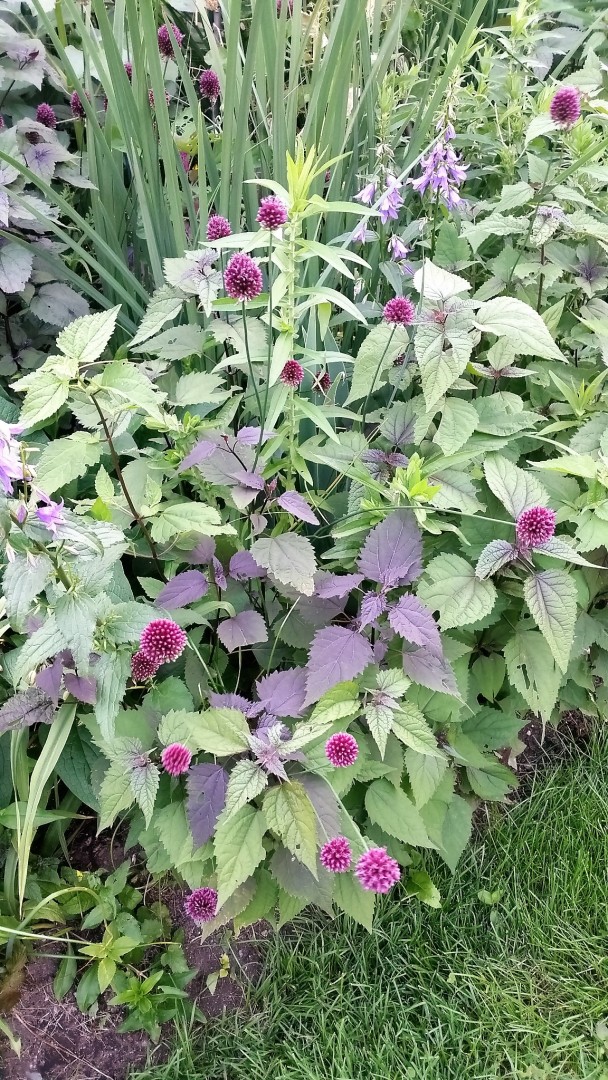
Scientific Name (Genus/Species): Allium sphaerocephalon
Family: (Alliaceae)
Hardy bulb to 3′. Drumstick Allium. Europe, North Africa, West Asia. Cylindrical, hollow, grey-green leaves to 14 inches long form a grass-like foliage clump in spring. Sturdy, slender stems rise in late spring and are topped with oval, clover-like flowerheads. Each flowerhead is a tight, dense, one-inch umbel of tiny florets that emerge deep green but mature (top to bottom) to rose-purple, displaying an interesting bi-colour effect. Excellent when weaving through their neighbours. Blooms mid-summer. Sun. 3 & 6
Category: Seminum | Sub-Category: Woodland
Scientific Name (Genus/Species): Syneilesis aconitifolia
Family: (Asteraceae)
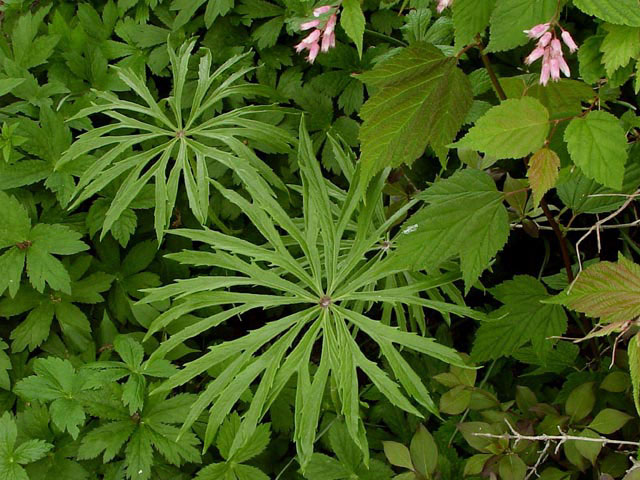
(P) to 2′. Shredded Umbrella Plant. Japan. Wonderful foliage plant very reminiscent of Aconitum, with woolly, peltate, deeply divided leaves. Clusters of small, fluffy pink flowerheads atop stiff, dark stems. Intriguing. Partial shade. 4 & T2

Category: Seminum | Sub-Category: Wildflowers
Scientific Name (Genus/Species): Solidago rugosa
Family: (Asteraceae)
P to 5′. Wrinkleleaf Goldenrod. Central and eastern North America. This clump-forming plant has numerous, narrow, deeply toothed, dark green leaves with a wrinkled appearance to the upper surface. Tall, rough, hairy stems bear arching branches with panicles of small, light yellow flowerheads concentrated on the upper side. Physicians in ancient times believed that goldenrod had healing powers; in recent times these plants have been commonly blamed for causing hay fever, but its irritating symptoms are actually caused by ragweed (Ambrosia species), whose pollen is abundant when goldenrod is in flower. All parts of this plant are useful in the native ecosystem, from the nectar and pollen of the flowers, to the foliage and seeds, even to the roots that act as a soil stabilizer. Blooms July to October. A “must have” for the wildflower garden. Sun. 4 & T2

 Browse the index >>