Category: Seminum | Sub-Category: Perennials for Sun
Scientific Name (Genus/Species): Papaver atlanticum
Family: (Papaveraceae)
(P) to 2′. Moroccan Poppy. Soft orange, two-inch, single, tissue paper blooms with yellow anthers are followed by club-shaped pods. Pale green, silken, jagged basal leaves. Self-sows beautifully. Sun. 4, D & T2


Category: Seminum | Sub-Category: Perennials for Sun
Scientific Name (Genus/Species): Crambe maritima
Family: (Brassicaceae)
(P) to 2′. Sea Kale. Coastal North Europe, Baltic and Black Seas. Often grown as a vegetable, however, we like it in the mixed border. The early emerging foliage is flushed deep purple; this is the edible stage. The unfurled leaves are wide, wavy, lobed, and glaucous providing an attractive foil for the large panicles of honey-scented, white, four-petalled flowers. Long summer bloomer. Well-drained soil. Sun. 3 & T2


Category: Seminum | Sub-Category: Annuals for Sun
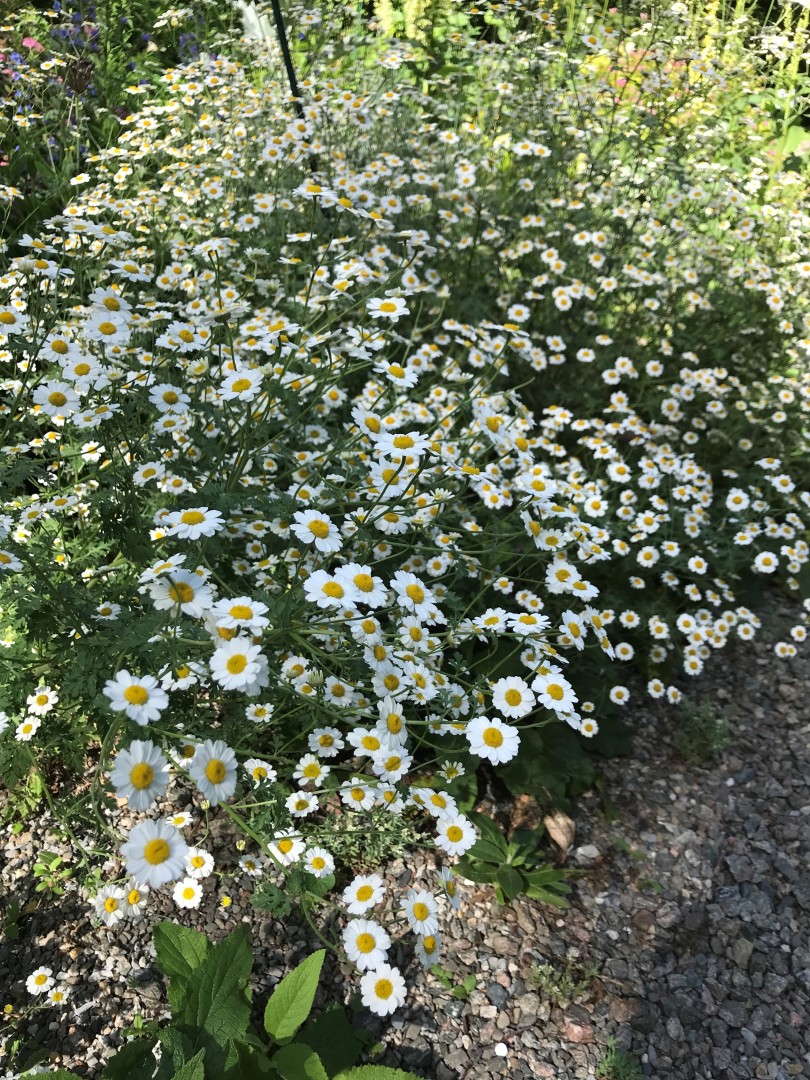
Scientific Name (Genus/Species): Tanacetum niveum
Family: (Asteraceae)
(TP) to 2-½’. Silver Tansy. A short-lived perennial with silver-grey, deeply cut, fragrant foliage that is covered with masses of ½ inch, white, daisy-like flowers with yellow centres. Midsummer. Delicate yet striking. Sun. 4 & T2
Category: Rarium | Sub-Category: Pots/Garden (overwinter indoors)
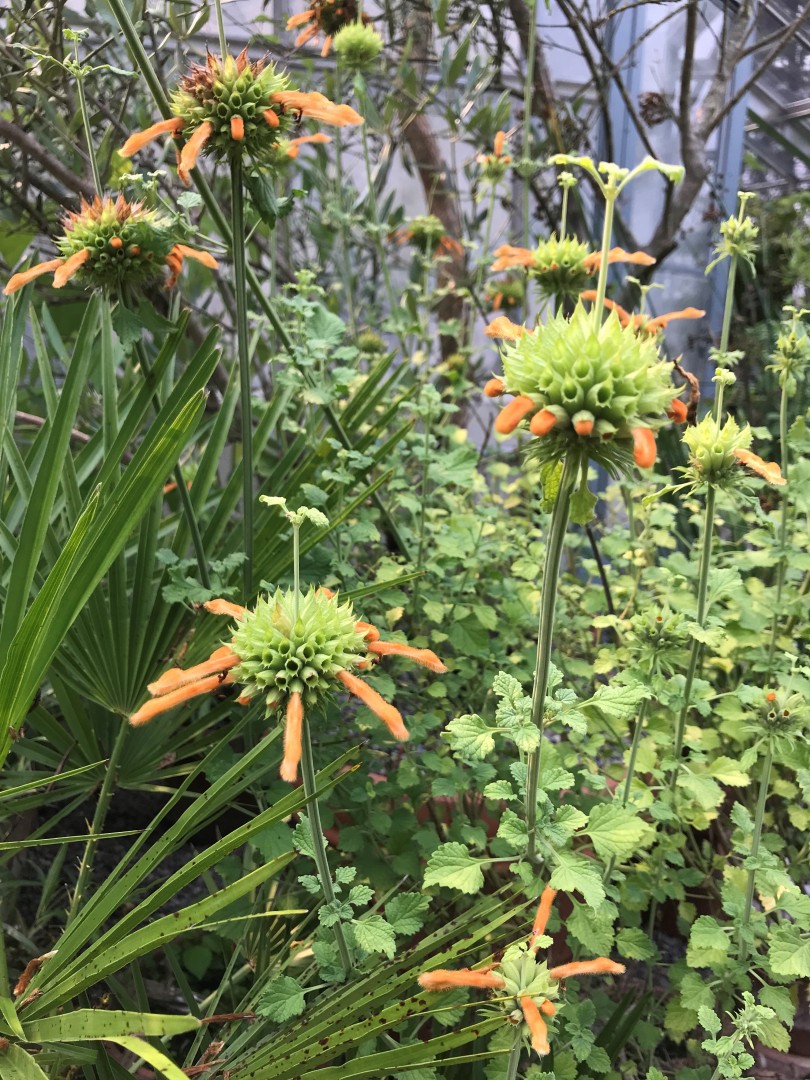
Scientific Name (Genus/Species): Leonotis menthifolia
Family: (Lamiaceae)
(TP) to 2′. Mint-leaved Lion’s Ear. South Africa. Vibrant, warm orange, tubular flowers are held in whorls. Small, serrated leaves have a pungent, spicy fragrance, reminiscent of Agastache. A long blooming, compact Lion’s Ear perfect for containers. Overwinter in a frost-free conservatory. Summer through to fall. Sun. 4 & T2
Category: Rarium | Sub-Category: Alpine and Rock Garden
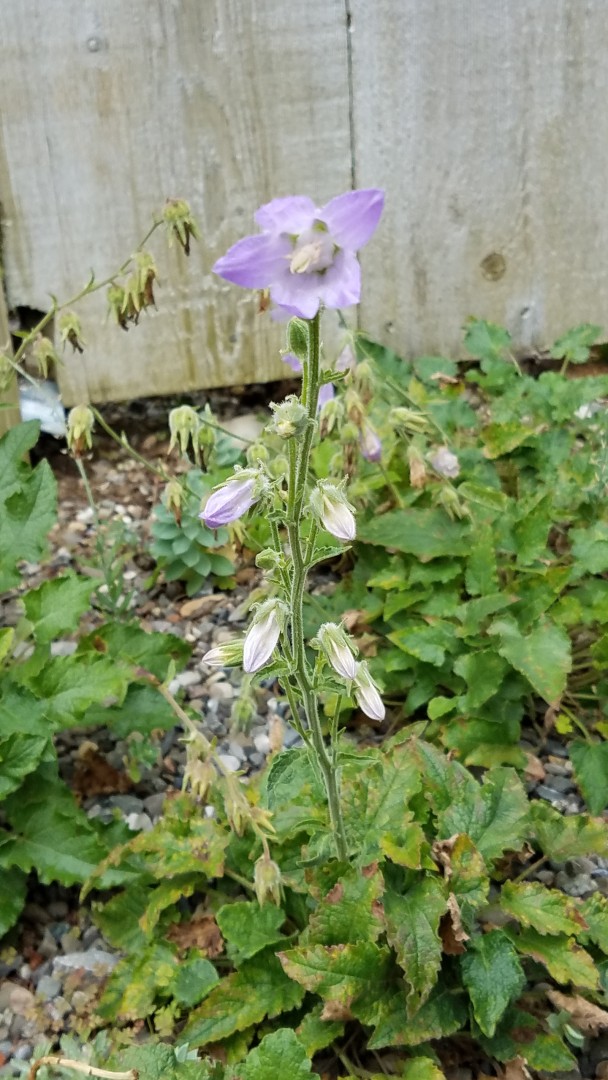
Scientific Name (Genus/Species): Campanula rigidipila
Family: (Campanulaceae)
(P) to 12″. This rare plant is the world’s most southerly occurring Campanula from Ethiopia and the Kenyan highlands. From a clump of thick, triangular, hairy, grey-green leaves, arise strong, erect stems carrying pale buds that open to lovely, clear blue bells with flared tips edged with white hairs. Summer-blooming. Sun. 4 & T2
Category: Rarium | Sub-Category: Perennials for Sun
Scientific Name (Genus/Species): Yucca smalliana
Family: (Asparagaceae)
(P) to 4′. Bear Grass Yucca. Southern North America. This Yucca is similar in many ways to the more popular Adam’s Needle (Yucca filamentosa), however smaller in stature. Also, the leaves are finer, flatter, and narrower with smoother leaf margins, except for the occasional thread-like fibres. The flowers are opalescent white and may at times have a light pink-tinge. Yuccas will form a small colony over time from basal offsets. Well-drained soil. Sun. 3 & T2

Category: Seminum | Sub-Category: Wildflowers
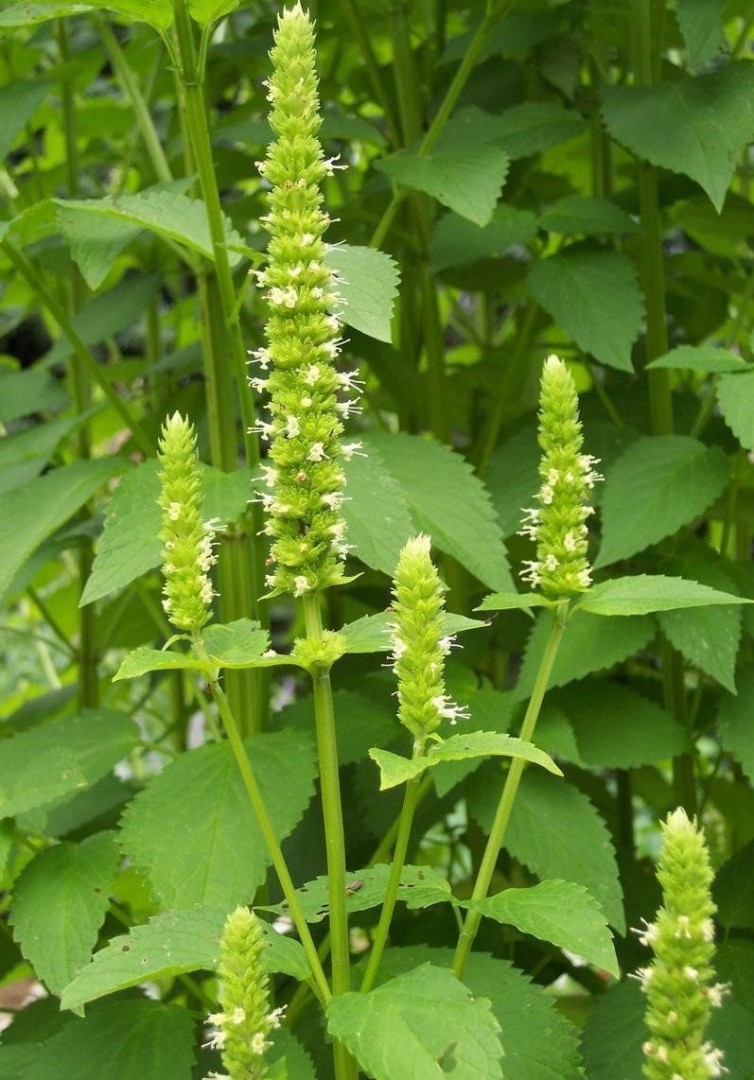
Scientific Name (Genus/Species): Agastache nepetoides
Family: (Lamiaceae)
(P) to 5′. Yellow Giant Hyssop. South Canada to Southeast US. Whorls of tiny, greenish-yellow flowers closely packed into five-inch terminal spikes appear on stiff, square stems. Toothed, arrowhead-shaped leaves are up to five inches long. Whilst the leaves lack the strong smell like other species in the mint family, the bitterness of its leaves make it deer resistant. Tolerant of summer heat and humidity, this late summer bloomer is a favourite of bees, butterflies, and other pollinators. Grows best in rich, open woodlands. Sun/partial shade. 4 & T2
Category: Seminum | Sub-Category: Alpine and Rock Garden
Scientific Name (Genus/Species): Euphorbia myrsinites
Family: (Euphorbiaceae)
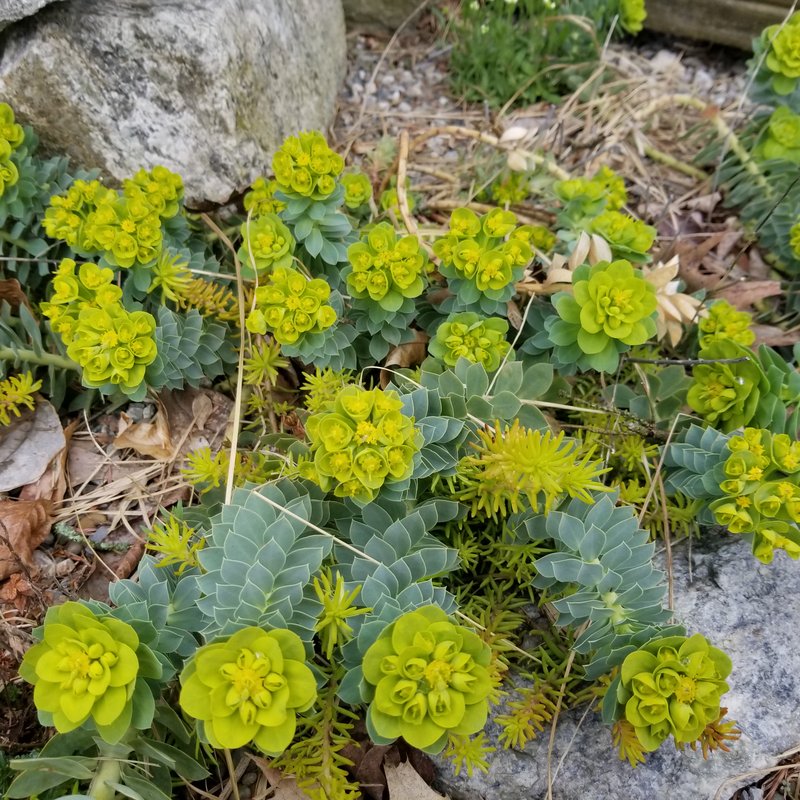
(P) to 6″. Southern Europe. Trailing, robust 12-inch stems with spiraling, blue-green, glaucous foliage. Stems terminate in large heads of many greenish yellow bracts enclosing tiny, yellow flowers. A perfect plant for a dry wall or sunny rock garden. Blooms early summer. Well-drained soil. Self-seeds for us. Sun. 3 & T2
Category: Seminum | Sub-Category: Perennials for Sun
Scientific Name (Genus/Species): Dianthus carthusianorum
Family: (Caryophyllaceae)
(P) to 2′. Cluster-head Pink. Native to sunny hillsides and dry meadows throughout central and southern Europe. Dianthus carthusianorum was named to commemorate the monks of the Carthusian order, founded in the 11th century in the Chartreuse Valley in the French Alps. Dense, terminal clusters of five-petalled, toothed, pinkish purple flowers on slender, airy stems. Grassy clumps of narrow, pale grey-green foliage adds to the charm. Blooms in midsummer. Well-drained soil. Sun. 4 & T2

Category: Seminum | Sub-Category: Perennials for Sun
Scientific Name (Genus/Species): Amsonia elliptica
Family: (Apocynaceae)
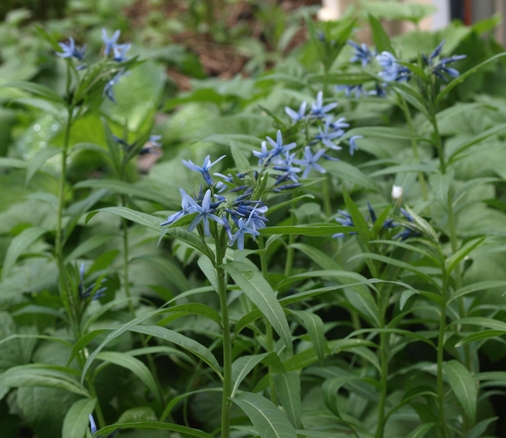
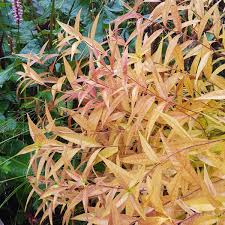
(P) to 18″. Dwarf Oriental Blue-Star. China, Japan, and Korea. Amsonia elliptica makes a bushy mound of tight-clumped, upright stems topped with starry, five-petalled, porcelain-blue flowers in early June. The glossy green, broad, grass-like leaves make an excellent backdrop for other garden plants during the summer. In fall the foliage turns a glowing yellow to orange. A great Amsonia for the small garden with a good display of flowers and excellent autumn colour. Sun/partial shade. 3, 7 for 4 weeks, then T2
 Browse the index >>