Category: Seminum | Sub-Category: Wildflowers
Scientific Name (Genus/Species): Eupatorium fistulosum
Family: (Asteraceae)
(P) to 8′. Hollow-stemmed Joe Pye Weed. A tall, striking addition to the late summer border. Fluffy, rounded domes of pinkish mauve to soft purple flowers. Leaves whorl in groups of six to seven around the unspotted, hollow stem. A great butterfly plant. Moist soil. Sun/partial shade. 4 & T2

Category: Seminum | Sub-Category: Perennials for Sun
Scientific Name (Genus/Species): Conoclinium coelestinum (syn. Eupatorium coelestinum)
Family: (Asteraceae)
(P) to 3′. Mist Flower, Hardy Ageratum. Eastern United States. Small tufts of misty blue flowers cluster in dense panicles on erect stems. Apple green leaves are triangular-ovate and coarsely toothed. A sturdy perennial, that performs superbly at the front or mid-border. Late summer and autumn. Sun. 4 & T2

Category: Seminum | Sub-Category: Alpine and Rock Garden
Scientific Name (Genus/Species): Arenaria sajanensis (syn. Minuartia obtusiloba)
Family: (Caryophyllaceae)
(P) foliage to 3″, flowers to 6″. Alaska to Oregon. Bright green, mossy mat of fine, needle-like foliage. Five-petalled, starry, white flowers with green veining cover the mat. Tough and attractive rock garden plant. Sun. 4 & T1

Category: Seminum | Sub-Category: Pots/Garden (overwinter indoors)
Scientific Name (Genus/Species): Limonium bellidifolium
Family: (Plumbaginaceae)
(TP) to 10″. Alpine Sea Lavender. Europe. Matt green clumps of congested, spathulate, leathery leaves with recurved margins. Sprays of small, pale violet, five-lobed, trumpet-shaped, “everlasting” flowers are held in bunches on wiry branched stems. Summer blooming. Sun. 3 & T2, cover and keep dark.

Category: Seminum | Sub-Category: Perennials for Sun
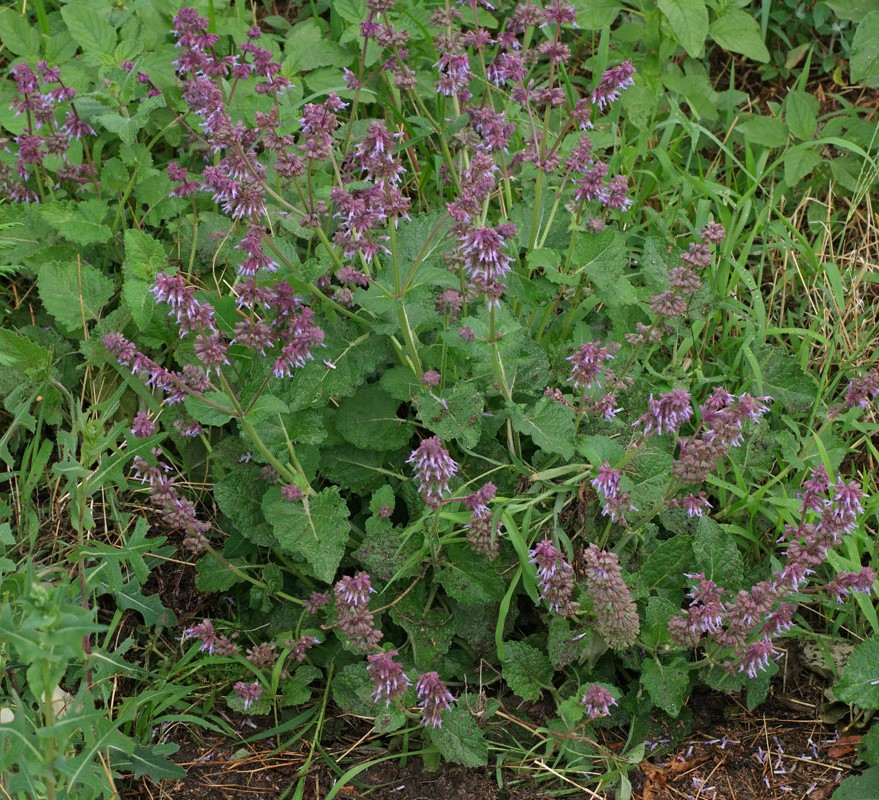
Scientific Name (Genus/Species): Salvia verticillata
Family: (Lamiaceae)
(P) to 2.5′. An interesting plant whether in or out of flower. Whorls of lavender-blue hooded flowers on long spikes adorn the textural pubescent foliage. After flowering, the whorls of bracts keep the excitement going. Also excellent for cutting and drying. Self-sows when happy. Full sun. 4 & T2
Category: Seminum | Sub-Category: Annuals for Sun
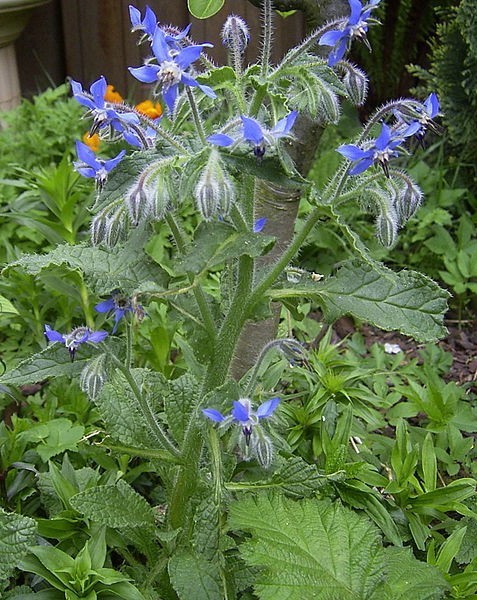
Scientific Name (Genus/Species): Borago officinalis
Family: (Boraginaceae)
(A) to 2′. Common Borage can, according to John Gerard’s Herbal, “make men and women glad and merry, driving away all sadnesse, dulnesse and melancholy.” Whilst the clusters of bright blue and white, star-like flowers in spring and summer will certainly bring a smile to even the most curmudgeonly of gardeners. Borage is also cultivated mainly for its cucumber-flavoured leaves and flowers, used as a garnish for salads, and is a vital ingredient in Pimms No. 2, the drink of Wimbledon. Sun. 3 & T1
This seed is either sold out or unavailable
Category: Rarium | Sub-Category: Pots/Garden (overwinter indoors)
Scientific Name (Genus/Species): Sinningia sellovii
Family: (Gesneriaceae)
(TP) to 2′. Brazil. Long terminal panicles of pendant, swollen tubular flowers from bright red to dark salmon-pink. Several long, arching upright stems arise from a woody, tuberous base. Pairs of soft textured elliptical, minutely toothed leaves occur along the stems. An unusual Gloxinia that would make an attractive houseplant for a sunny window. Blooms late summer to fall. Sun. 4 & T1

Category: Seminum | Sub-Category: Alpine and Rock Garden
Scientific Name (Genus/Species): Sedum kamtschaticum
Family: (Crassulaceae)
(P) to 8″. Japan to Kamchatka. Spreading clumps of fleshy, obovate, bright green foliage with irregularly scalloped margins create a thick mat for sunny areas. Unbranched flower stalks produce flattened cymes of deep yellow, starry flowers appearing as a veritable carpet of gold. Beautiful when creeping along the edge of a pathway or spilling out of a crevice. Mid to late summer. Accommodating and tough. Well-drained soil. Sun. 4 & T1

Category: Rarium | Sub-Category: Alpine and Rock Garden
Scientific Name (Genus/Species): Crithmum maritimum
Family: (Apiaceae)
(P) to 12″. Rock Samphire. Southern Europe. A British native known for precariously hanging from rock crevices on the white cliffs of Dover, this fascinating plant has happily established itself in the gravel at the feet of our alpine troughs. A tangle of succulent, flattened, blue-green leaves and stems support sizeable umbels of yellow-green flowerheads. Rock Samphire has a long history as a foraged edible plant and has recently gained in popularity among epicureans for its aromatic and flavourful leaves. Well-drained soil. Sun. 3 & T1

Category: Seminum | Sub-Category: Pots/Garden (overwinter indoors)
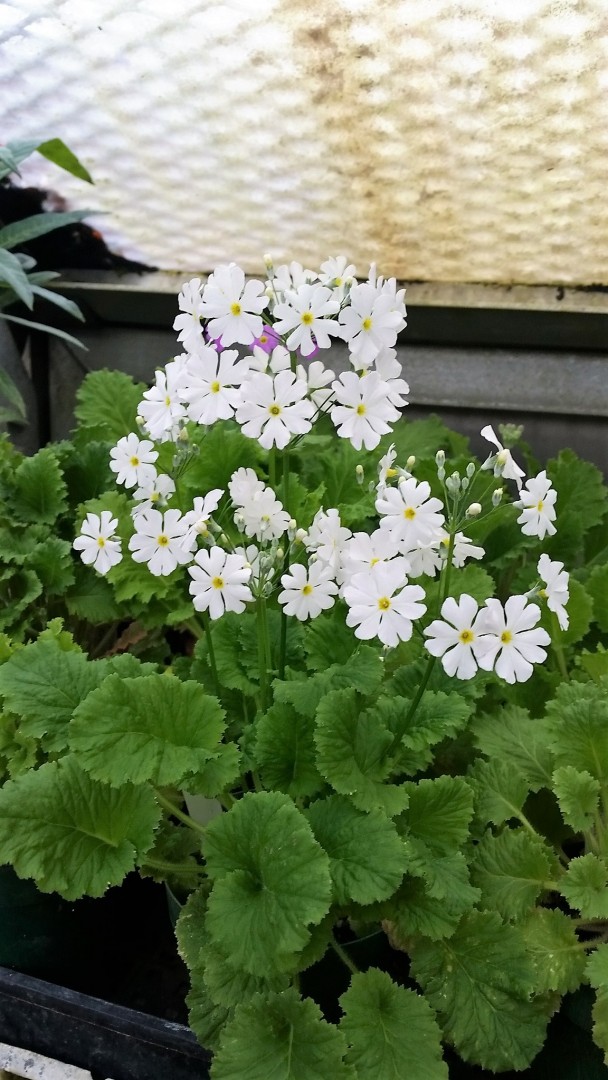
Scientific Name (Genus/Species): Primula malacoides Mix
Family: (Primulaceae)
(TP) to 18″. Fairy Primrose. China. Stonecroppers are in love with this charming, floriferous beauty as it lights up the End House from December through late spring with its showy tiers of blooms. Rising from a rosette of soft green, ruffled leaves with shallowly dentate lobes come many slender stems carrying 20 to 30 blooms in tiers. Deeply notched, five-petalled flowers have a prominent yellow eye. Seed collected from our plants is a mix of bright pink, mauve and white flowers. Prefers fertile soil and part sun. 4 & T1

 Browse the index >>